Android Studio 2.2 3 Download Mac

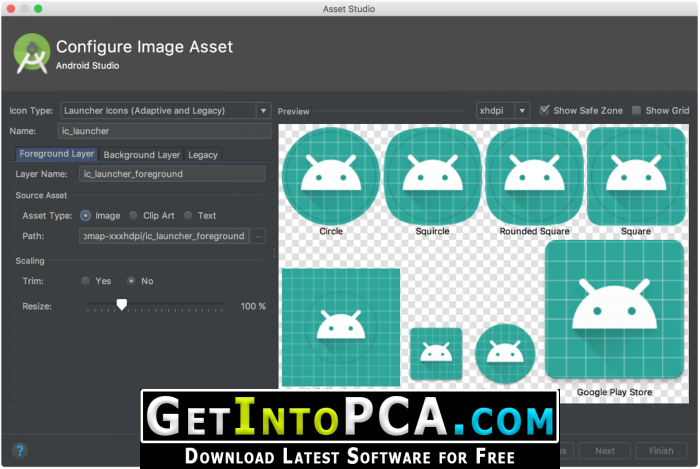
Android Studio 2.3.3 Download For MAC Emulator it is a single click direct total offline installer standalone setup straight google bulldoze link of Android Studio latest version For Mac Os. Dissimilar the iPhone OS SDK and Microsoft'due south SDK, thankfully the Android SDK is available for both Windows and Mac. Here's what yous volition need to do to admission the Android ii.ii Froyo Emulator: 1. First download the Android SDK for either Mac or Windows. Once you have downloaded the SDK, extract it.
- Get the Flutter SDK
- iOS setup
- Android setup
System requirements
To install and run Flutter,your development surroundings must meet these minimum requirements:
- Operating Systems: macOS (64-bit)
- Deejay Space: 2.eight GB (does not include disk space for IDE/tools).
- Tools: Palpitate depends on these control-line tools being availablein your environment.
-
fustigate -
ringlet -
git2.ten -
mkdir -
rm -
unzip -
which
-
Become the Flutter SDK
-
Download the following installation bundle to become the lateststable release of the Palpitate SDK:
For other release channels, and older builds,see the SDK releases page.
-
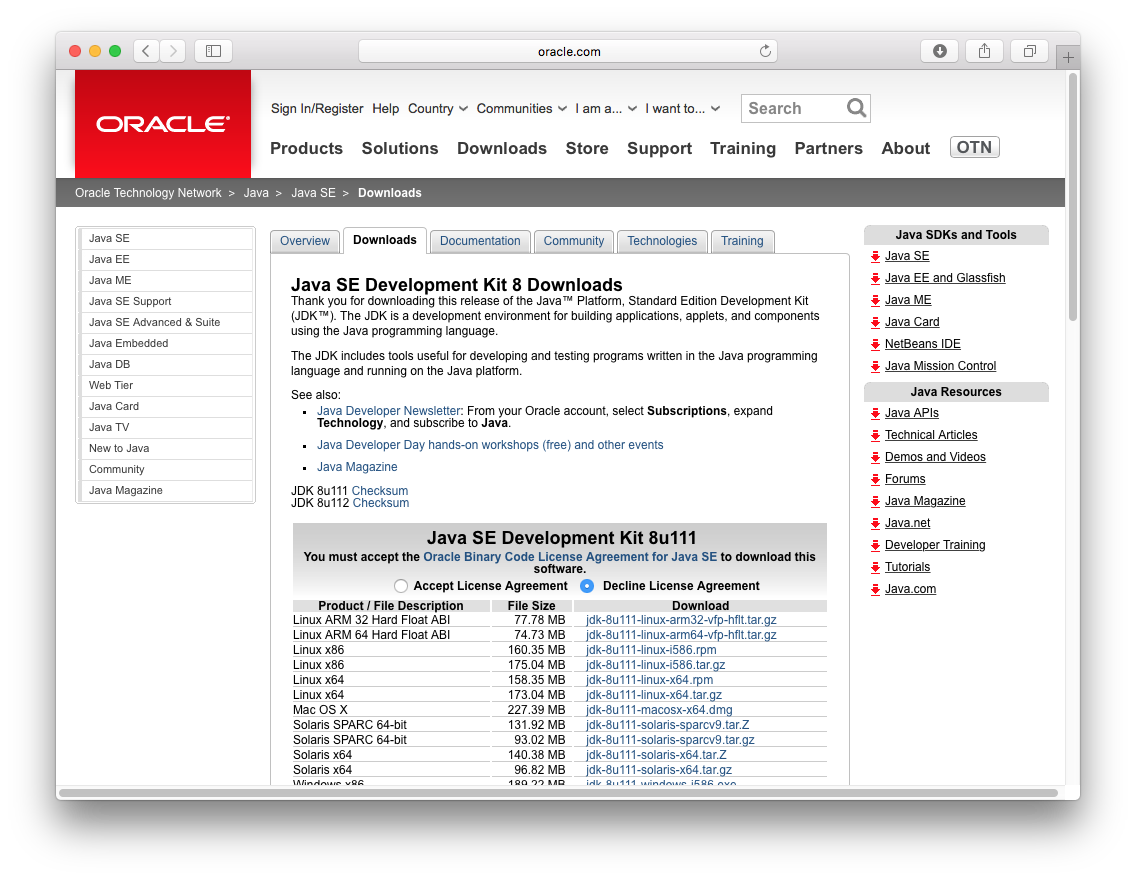
Excerpt the file in the desired location, for example: Download vmware fusion 10 for mac.
If you lot don't want to install a stock-still version of the installation packet, you lot tin can skip steps 1 and 2. Instead, get the source code from the Palpitate repoon GitHub with the following command:
You tin can likewise change branches or tags as needed.For example, to get just the stable version:
-
Add the
fluttertool to your path:This command sets your
PATHvariable for thecurrent last window only.To permanently add Flutter to your path, seeUpdate your path. -
Optionally, pre-download evolution binaries:
The
palpitatetool downloads platform-specific development binaries asneeded. For scenarios where pre-downloading these artifacts is preferable(for example, in hermetic build environments,or with intermittent network availability), iOSand Android binaries can be downloaded alee of time by running:For additional download options, encounter
flutter help precache.
You are now ready to run Flutter commands!
Notation: To update an existing version of Flutter, see Upgrading Flutter.
Run flutter doc
Run the following command to come across if at that place are any dependencies you need toinstall to complete the setup (for verbose output, add together the -v flag):
This command checks your environment and displays a report to the terminalwindow. The Sprint SDK is bundled with Flutter; it is not necessary to installDart separately. Cheque the output carefully for other software you mightneed to install or further tasks to perform (shown in assuming text).
For case:
The following sections describe how to perform these tasks and finish the setupprocess. Chrome 8 download for mac.
Once you have installed any missing dependencies, run the flutter doctorcommand once more to verify that you've ready everything up correctly.
Warning: The flutter tool uses Google Analytics to anonymously report feature usage statistics and basic crash reports. This information is used to help meliorate Flutter tools over time.
Flutter tool analytics are not sent on the very first run. To disable reporting, blazon flutter config --no-analytics. To display the electric current setting, type flutter config. If you opt out of analytics, an opt-out result is sent, and then no further information is sent by the Palpitate tool.
By downloading the Flutter SDK, yous agree to the Google Terms of Service. Note: The Google Privacy Policy describes how data is handled in this service.
Moreover, Flutter includes the Dart SDK, which may send usage metrics and crash reports to Google.
Update your path
You can update your PATH variable for the electric current session atthe command line, as shown in Get the Flutter SDK.You'll probably want to update this variable permanently,so y'all tin run palpitate commands in any terminal session.
The steps for modifying this variable permanently forall terminal sessions are machine-specific.Typically yous add a line to a file that is executedwhenever yous open up a new window. For instance:
- Determine the directory where yous placed the Palpitate SDK.You need this in Step 3.
- Open (or create) the
rcfile for your trounce.Typingrepeat $SHELLin your Concluding tells youwhich vanquish yous're using.If you're using Bash,edit$HOME/.bash_profileor$HOME/.bashrc.If you're using Z shell, edit$Domicile/.zshrc.If you're using a unlike crush, the file pathand filename will be different on your machine. -
Add together the following line and alter
[PATH_TO_FLUTTER_GIT_DIRECTORY]to bethe path where you lot cloned Flutter's git repo: - Run
source $HOME/.<rc file>to refresh the electric current window,or open a new terminal window toautomatically source the file. -
Verify that the
palpitate/bindirectoryis at present in your PATH past running:Verify that the
fluttercommand is bachelor by running:
Note: As of Flutter's one.nineteen.0 dev release, the Palpitate SDK contains the dart command aslope the palpitate control so that you can more than hands run Dart command-line programs. Downloading the Flutter SDK also downloads the compatible version of Dart, merely if you've downloaded the Dart SDK separately, make certain that the Palpitate version of dart is get-go in your path, as the two versions might not exist compatible. The following control (on macOS, linux, and chrome OS), tells you whether the flutter and sprint commands originate from the aforementioned bin directory and are therefore uniform. (Some versions of Windows back up a like where command.)
As shown to a higher place, the two commands don't come from the same bin directory. Update your path to utilise commands from /path-to-flutter-sdk/bin before commands from /usr/local/bin (in this case). Later on updating your shell for the change to take upshot, running the which or where command again should testify that the flutter and sprint commands now come up from the same directory.
To larn more about the dart command, run dart -h from the control line, or see the dart tool page.
Platform setup
macOS supports developing Flutter apps in iOS, Android,and the web (technical preview release).Consummate at to the lowest degree one of the platform setup steps now,to exist able to build and run your outset Palpitate app.
iOS setup
Install Xcode
To develop Flutter apps for iOS, you need a Mac with Xcode installed.
- Install the latest stable version of Xcode(using spider web download or the Mac App Store).
-
Configure the Xcode command-line tools to use thenewly-installed version of Xcode byrunning the following from the command line:
This is the correct path for most cases,when y'all want to use the latest version of Xcode.If you need to utilize a dissimilar version,specify that path instead.
- Make sure the Xcode license agreement is signed byeither opening Xcode once and confirming or running
sudo xcodebuild -licensefrom the command line.
Versions older than the latest stable version may still work,simply are not recommended for Flutter development.Using old versions of Xcode to target bitcode is notsupported, and is probable not to work.
Android Studio two.ii Download Mac Installer
With Xcode, you'll be able to run Palpitate apps onan iOS device or on the simulator.
Fix up the iOS simulator
To set to run and exam your Flutter app on the iOS simulator,follow these steps:
-
On your Mac, discover the Simulator via Spotlight orby using the following command:
- Brand sure your simulator is using a 64-flake device(iPhone 5s or later) by checking the settings inthe simulator's Hardware > Device menu.
- Depending on your development machine'south screen size,imitation high-screen-density iOS devicesmight overflow your screen. Grab the corner of thesimulator and drag it to change the scale. Yous can alsouse the Window > Physical Size or Window > Pixel Accurateoptions if your calculator'south resolution is high enough.
- If y'all are using a version of Xcode olderthan 9.i, you lot should instead fix the device scalein the Window > Scale card.
Create and run a simple Flutter app
To create your first Flutter app and test your setup,follow these steps:
-
Create a new Flutter app by running the following from thecommand line:
-
A
my_appdirectory is created, containing Flutter'due south starter app.Enter this directory: -
To launch the app in the Simulator,ensure that the Simulator is running and enter:
Deploy to iOS devices
To deploy your Flutter app to a physical iOS deviceyou'll need to ready concrete device deployment in Xcodeand an Apple Programmer account. If your app is using Flutter plugins,you lot will also need the 3rd-party CocoaPods dependency director.
-
You tin can skip this step if your apps do not depend onFlutter plugins with native iOS code.Install and set up up CocoaPods by running the post-obit commands:
Annotation: The default version of Cerise requires
sudoto install the CocoaPods gem. If you are using a Reddish Version manager, you may need to run withoutsudo. -
Follow the Xcode signing flow to provision your project:
- Open the default Xcode workspace in your project byrunning
open up ios/Runner.xcworkspacein a terminalwindow from your Flutter projection directory. - Select the device you intend to deploy to in the devicedrop-down menu side by side to the run push button.
- Select the
Runnerproject in the left navigation panel. - In the
Runnertarget settings folio,brand sure your Development Squad is selected.The UI varies depending on your version of Xcode.- For Xcode 10, await nether General > Signing > Team.
- For Xcode 11 and newer, await underSigning & Capabilities > Team.
When y'all select a squad,Xcode creates and downloads a Development Certificate,registers your device with your business relationship,and creates and downloads a provisioning profile (if needed).
- To outset your first iOS development project,you might need to sign intoXcode with your Apple ID. Evolution and testing is supported for whatever Apple ID.Enrolling in the Apple Developer Program is required todistribute your app to the App Store.For details almost membership types,see Choosing a Membership.
-
The first fourth dimension yous use an attached physical device for iOSdevelopment, you demand to trust both your Mac and theDevelopment Certificate on that device.Select
Trustin the dialog prompt whenfirst connecting the iOS device to your Mac.And so, become to the Settings app on the iOS device,select General > Device Directionand trust your Certificate.For first time users, you may need to selectFull general > Profiles > Device Direction instead.
-
If automatic signing fails in Xcode, verify that the projection'sFull general > Identity > Bundle Identifier value is unique.
- Open the default Xcode workspace in your project byrunning
-
Start your app past running
palpitate runor clicking the Run push in Xcode.
Android setup
Note: Flutter relies on a full installation of Android Studio to supply its Android platform dependencies. However, you tin write your Flutter apps in a number of editors; a subsequently pace discusses that.
Install Android Studio
- Download and install Android Studio.
- Start Android Studio, and go through the 'Android Studio Setup Sorcerer'.This installs the latest Android SDK, Android SDK Command-line Tools,and Android SDK Build-Tools, which are required by Flutterwhen developing for Android.
Set up your Android device
To prepare to run and exam your Flutter app on an Android device,y'all demand an Android device running Android four.1 (API level 16) or college.
- Enable Developer options and USB debugging on your device.Detailed instructions are available in theAndroid documentation.
- Windows-simply: Install the Google USBDriver.
- Using a USB cable, plug your telephone into your calculator. If prompted on yourdevice, authorize your computer to access your device.
- In the terminal, run the
flutter devicescommand to verify thatFlutter recognizes your connected Android device. By default,Flutter uses the version of the Android SDK where youradbtool is based. If you want Flutter to use a dissimilar installationof the Android SDK, y'all must set theANDROID_SDK_ROOTenvironmentvariable to that installation directory.
Set up the Android emulator
Android Studio two.1.iii Download
To prepare to run and test your Flutter app on the Android emulator,follow these steps:
- EnableVM accelerationon your machine.
- Launch Android Studio, click the AVD Managericon, and select Create Virtual Device…
- In older versions of Android Studio, you should insteadlaunch Android Studio > Tools > Android > AVD Manager and selectCreate Virtual Device…. (The Android submenu is only presentwhen inside an Android projection.)
- If you lot exercise not have a project open, you lot can cull Configure > AVD Manager and select Create Virtual Device…
- Choose a device definition and select Adjacent.
- Select one or more organisation images for the Android versions you wantto emulate, and select Next.An x86 or x86_64 image is recommended.
- Under Emulated Operation, select Hardware - GLES 2.0 to enablehardwareacceleration.
-
Verify the AVD configuration is correct, and select Stop.
For details on the in a higher place steps, see ManagingAVDs.
- In Android Virtual Device Manager, click Run in the toolbar.The emulator starts upward and displays the default canvass for yourselected OS version and device.
Web setup
Palpitate has early support for building web applications using thebeta channel of Flutter. To add back up for web development, followthese instructions when yous've completed the setup above.
Adjacent pace
Gear up your preferred editor.
Google is committed to advancing racial disinterestedness for Black communities. See how.
Setting up Android Studio takes only a few clicks.
Start, be sure you download the latest version of Android Studio.
Windows
To install Android Studio on Windows, go on as follows:
- If yous downloaded an
.exefile (recommended), double-click to launch information technology.If you lot downloaded a
.zipfile, unpack the ZIP, re-create the android-studio folder into your Plan Files folder, and then open the android-studio > bin binder and launchstudio64.exe(for 64-scrap machines) orstudio.exe(for 32-bit machines). - Follow the setup wizard in Android Studio and install whatsoever SDK packages that it recommends.
That's it.The post-obit video shows each pace of the setup procedure when using the recommended.exe download.
As new tools and other APIs become available, Android Studio tells youwith a pop-up, or you tin can check for updates past clicking Help >Cheque for Update.
Mac
To install Android Studio on your Mac, keep every bit follows:
- Launch the Android Studio DMG file.
- Elevate and drop Android Studio into the Applications folder, then launch Android Studio.
- Select whether y'all desire to import previous Android Studio settings, then click OK.
- The Android Studio Setup Sorcerer guides you through the residuum of the setup, which includes downloading Android SDK components that are required for development.
That'south information technology.The following video shows each step of the recommended setup process.
Android Studio ii.two Download Mac Iso
As new tools and other APIs become available, Android Studio tells youwith a pop-upwardly, or you lot can check for updates by clicking Android Studio> Cheque for Updates.
Note: If you use Android Studio on macOS Mojave or later, you might see a prompt to allow the IDE to access your calendar, contacts, or photos. This prompt is caused by new privacy protection mechanisms for applications that access files under the home directory. So, if your project includes files and libraries in your home directory, and y'all see this prompt, you tin can select Don't Allow.
Linux
To install Android Studio on Linux, continue as follows:
- Unpack the
.aughtfile y'all downloaded to an advisable location for your applications, such as within/usr/local/for your user contour, or/opt/for shared users.If y'all're using a 64-chip version of Linux, make sure y'all first install the required libraries for 64-bit machines.
- To launch Android Studio, open a terminal, navigate to the
android-studio/bin/directory, and executestudio.sh. - Select whether you want to import previous Android Studio settings or non, then click OK.
- The Android Studio Setup Sorcerer guides you through the residue of the setup, which includes downloading Android SDK components that are required for development.
Tip:To make Android Studio bachelor in your list of applications, selectTools > Create Desktop Entry from the Android Studio menu bar.
Required libraries for 64-bit machines
If yous are running a 64-chip version of Ubuntu, you need to install some 32-bitlibraries with the following command:
If you lot are running 64-fleck Fedora, the command is:
That's it.The post-obit video shows each stride of the recommended setup procedure.
Every bit new tools and other APIs become available, Android Studio tells youwith a pop-up, or you lot can check for updates by clicking Help >Check for Update.
Chrome Bone
Follow these steps to install Android Studio on Chrome Bone:
- If you haven't already done so, install Linux for Chrome OS.
- Open the Files app and locate the DEB package y'all downloaded in theDownloads folder under My files.
-
Right-click the DEB package and select Install with Linux (Beta).
- If you accept installed Android Studio before, select whether you want toimport previous Android Studio settings, and so click OK.
-
The Android Studio Setup Wizard guides yous through the residuum of thesetup, which includes downloading Android SDK components that arerequired for development.
-
Later on installation is complete, launch Android Studio either from theLauncher, or from the Chrome OS Linux terminal by running
studio.shinthe default installation directory:/opt/android-studio/bin/studio.sh
That's it. Every bit new tools and other APIs get available, Android Studio tells youwith a pop-up, or you can check for updates by clicking Aid >Check for Update.
Note: Android Studio on Chrome Bone currently supports deploying your app merely toa connected hardware device. To larn more, read Run apps on a hardwaredevice.
Android Studio 2.2 3 Download Mac
Posted by: grantwhorty.blogspot.com


0 Komentar
Post a Comment